
Located in the southern highlands of Tanzania, near the town of Mbozi, the Mbozi Meteorite is one of the largest and most significant meteorites in Africa. Weighing approximately 25 tons, this massive space rock offers a unique and awe-inspiring glimpse into the natural history of our solar system. The Mbozi Meteorite is a rare find that attracts both scientists and travellers, and it stands as a testament to the cosmic forces that shaped our planet.
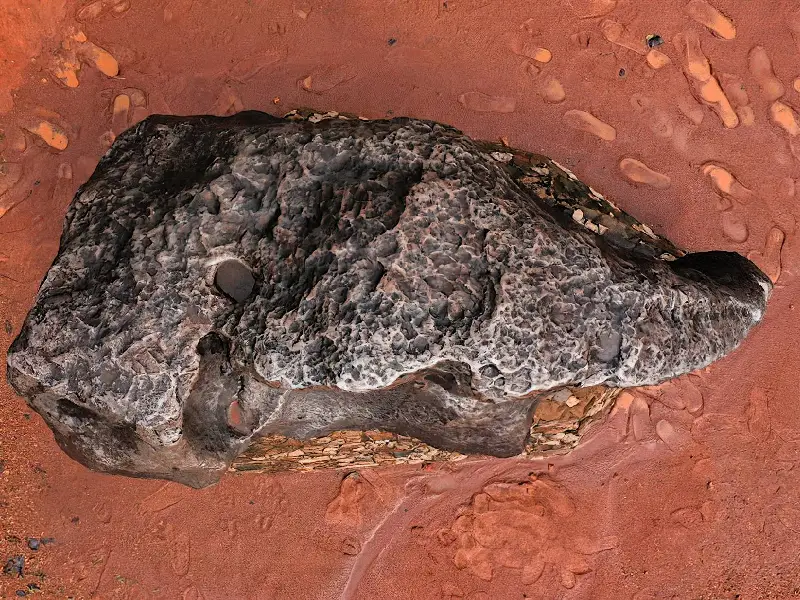
Mbozi is an ungrouped iron meteorite found in Tanzania. It is one of the world’s largest meteorites, variously estimated as the fourth-largest to the eighth-largest, it is located near the city of Mbeya in Tanzania‘s southern highlands. The meteorite is 3 meters (9.8 ft) long, 1 meter (3 ft 3 in) high, and weighs an estimated 16 metric tons (16 long tons; 18 short tons)
It is among the 10 heaviest meteorites in the world, ranked 8th in the world and 2nd in Africa.
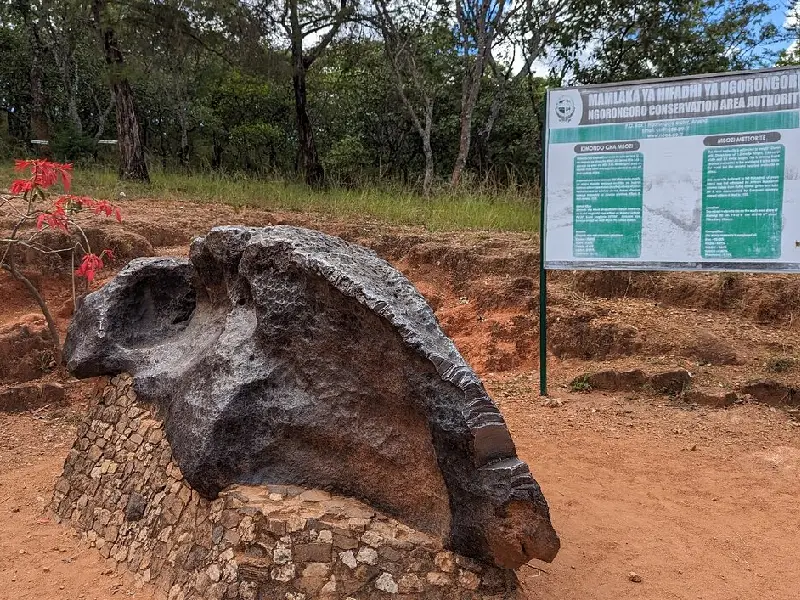
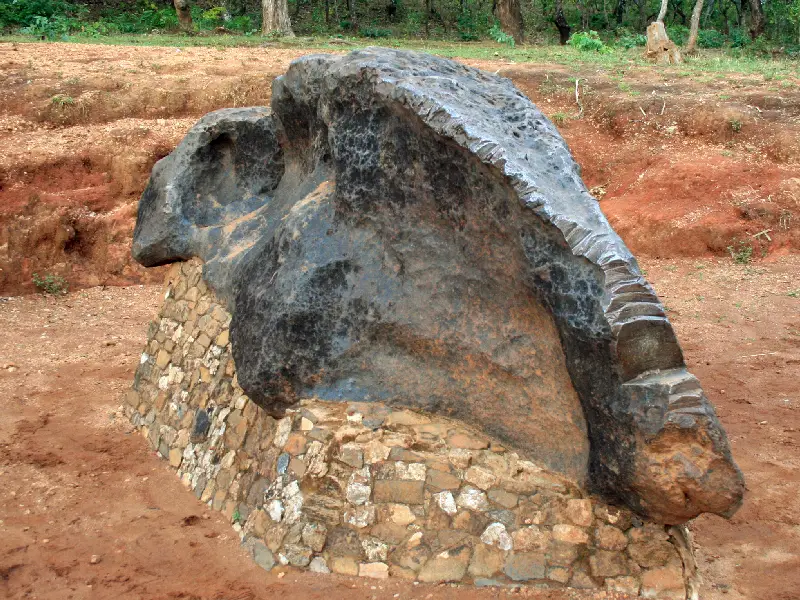
Mbozi has been long known to locals, who call it kimondo, yet became known to outsiders only in the 1930s. It is named after Mbozi District, in Mbeya (Tanzania). When it was discovered by scientists in 1930 it didn’t have a crater. The meteorite is believed to have fallen thousands of years ago. It was first witnessed by an African blacksmith named Halale of Nyiha ethnicity and later in 1930, it was documented by a European surveyor known as William Natt.
The Mbozi meteorite lies on the southwest of Marengi Hill, about 15 kilometres from Songwe centre.
Mbozi consists of meteoric iron with small silicate inclusions. The meteoric iron has a nickel concentration of 8% and shows a Widmanstätten pattern. The Germanium-Gallium ratio is larger than 10, which can also be seen in meteorites of the IIF iron meteorite group and the Eagle station pallasites. The silicate inclusions have a core and mantle structure in thin sections.
The mantle is made from glass, that is partially devitrified into pyroxene and plagioclase. The core consists of quartz.
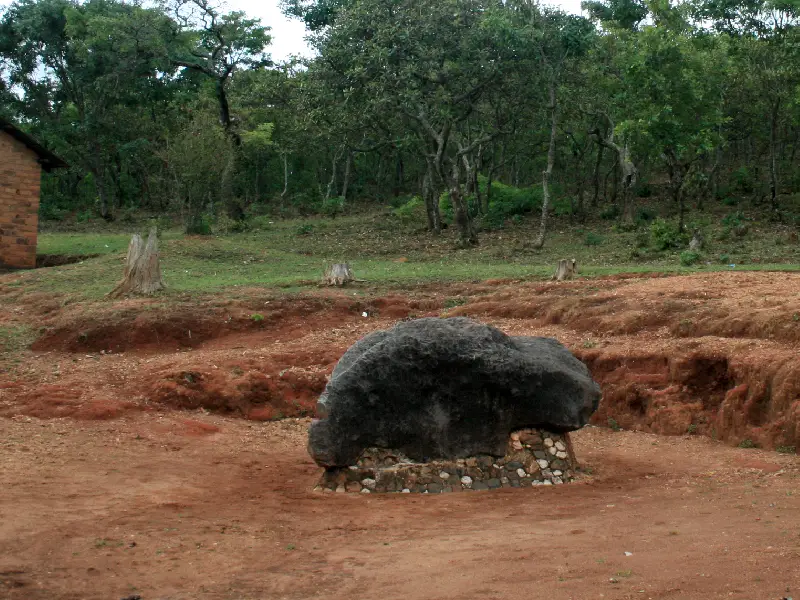
Finally, The Mbozi Meteorite is not just a giant rock—it's a piece of the cosmos, a relic from space that landed on Earth millions of years ago. A trip to the Meteorite Site is always exciting, especially if you travel in a group and use public transportation to get a better taste of the countryside and face some adventures. This allows the group to interact with the locals, who are always willing to share their perspectives with Travellers.
Venture into wild, untouched parks and stand witness to the raw power of the Great Migration. Our tailor-made adventures are packed with thrilling moments and memories to last a lifetime.
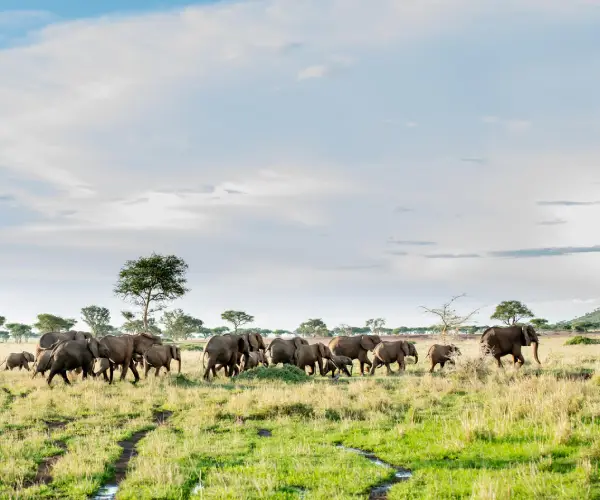
The Best Time To Visit Tanzaniais during the long dry season, which falls from July to September.

Tanzania Safari Packing List is the most essential topic to keep in mind before starting your Tanzania Safari Tours
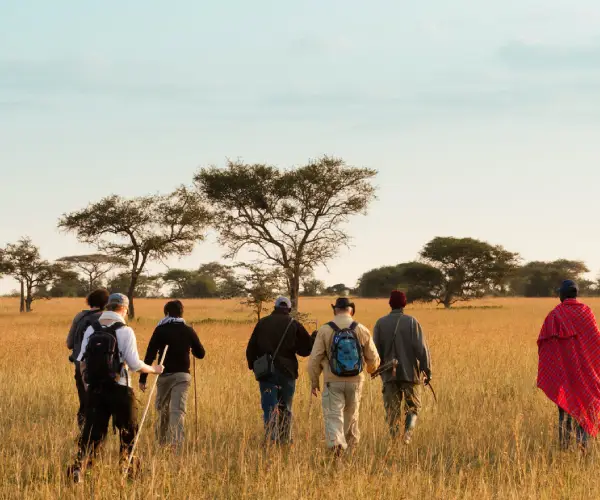
Tanzania is a land of unparalleled natural beauty and rich wildlife, offering a myriad of unforgettable experiences





We have the experience and expertise to assist you in creating memories that will last a lifetime.

We will create the perfect itinerary for you, based on your needs!

Get trusted, local insights for your perfect Tanzanian adventure.

As locals, we offer authentic experiences and insider knowledge.

Enjoy seamless booking with guaranteed safety, reliability, and expert support.