
Tanzania is a dream destination for photographers, offering some of the most spectacular wildlife, landscapes, and cultural scenes in Africa. From the vast savannahs of the Serengeti to the breathtaking landscapes of Ngorongoro Crater, a Photographic Safari in Tanzania allows you to capture some of the most iconic and diverse moments in nature. Whether you're a professional photographer or an amateur enthusiast, Tanzania provides unparalleled opportunities to shoot everything from the "Big Five" to breathtaking sunrises over the African plains.
The best time for a photographic safari in Tanzania depends on what you want to capture. June to October is ideal for wildlife photography, as it’s the dry season, and animals gather around water sources, making sightings easier. This period also coincides with the Great Migration in the Serengeti. For landscape photographers, the early morning and late afternoon light, known as the golden hour, offers the best conditions. Additionally, November to March provides opportunities for bird photography, as migratory species are abundant, and the landscape is lush and green after the rains.
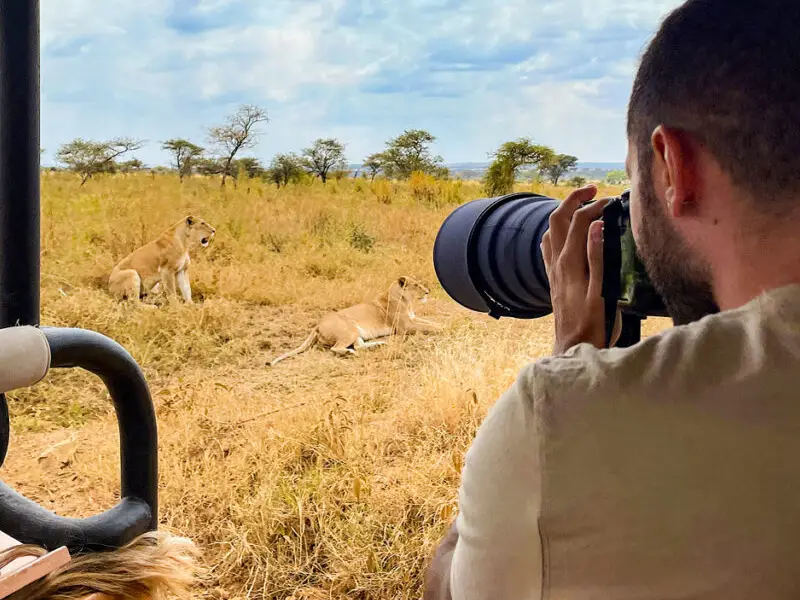
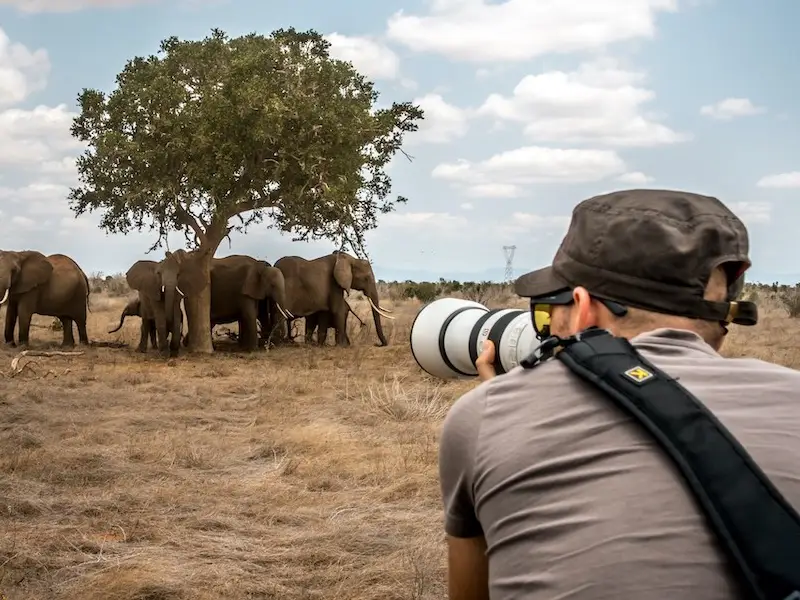
A Tanzania Photographic Safari offers the chance to capture unforgettable moments, from dramatic wildlife shots to stunning landscapes bathed in golden light. Tanzania provides a rich canvas for photographers of all levels. With the right gear, a good guide, and a passion for photography, a Tanzania Safari promises to be a once-in-a-lifetime experience that brings home some of Africa’s most iconic and breathtaking images.
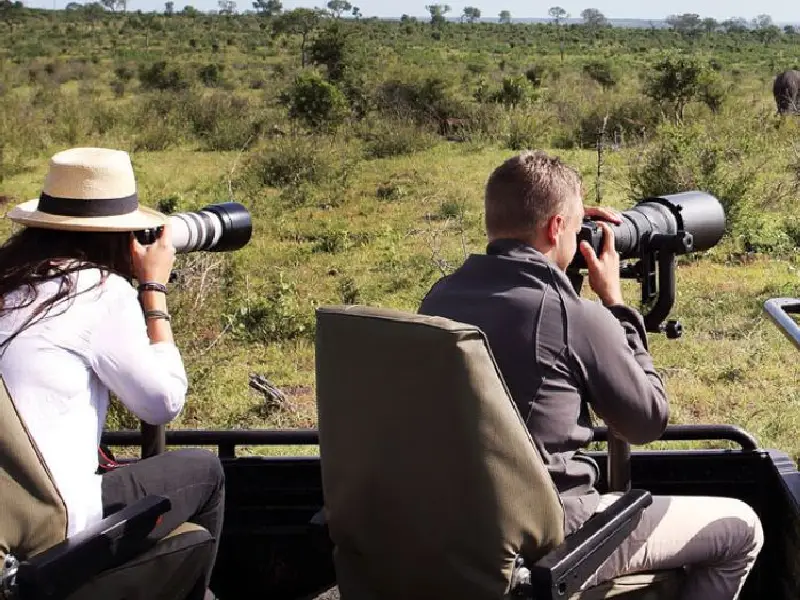
Tanzania is a dream destination for photographers, offering some of the most spectacular wildlife
A School Trip to Tanzaniak, offers an extraordinary blend of adventure, education
Tanzania Walking Safaris offer a unique and immersive way to experience Africa's wilderness.
Tanzania is not only famous for its wildlife and safaris but also offers some of the most remarkable hiking
Tanzania is not only home to extraordinary wildlife and stunning landscapes but also boasts a rich cultural
Venture into wild, untouched parks and stand witness to the raw power of the Great Migration. Our tailor-made adventures are packed with thrilling moments and memories to last a lifetime.
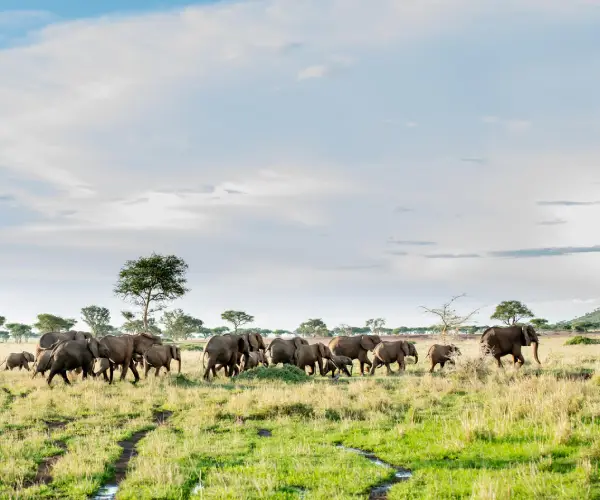
The Best Time To Visit Tanzaniais during the long dry season, which falls from July to September.
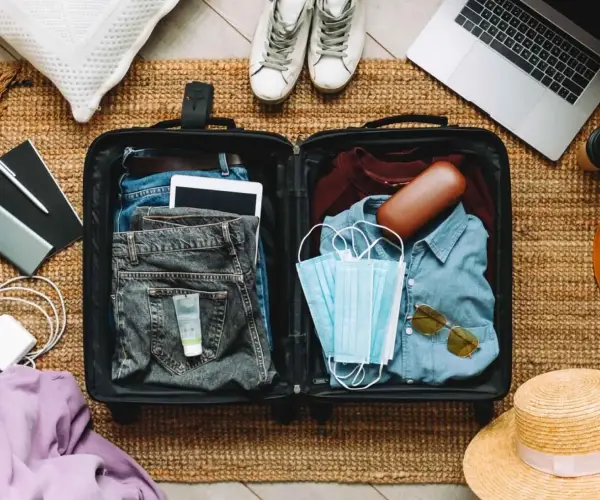
Tanzania Safari Packing List is the most essential topic to keep in mind before starting your Tanzania Safari Tours
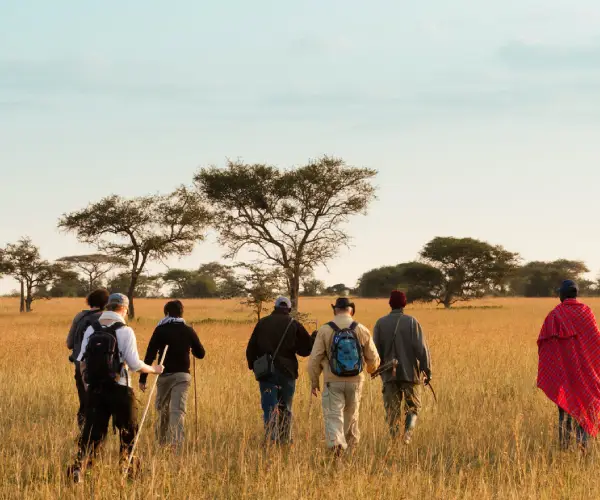
Tanzania is a land of unparalleled natural beauty and rich wildlife, offering a myriad of unforgettable experiences





We have the experience and expertise to assist you in creating memories that will last a lifetime.

We will create the perfect itinerary for you, based on your needs!

Get trusted, local insights for your perfect Tanzanian adventure.

As locals, we offer authentic experiences and insider knowledge.

Enjoy seamless booking with guaranteed safety, reliability, and expert support.